
Loading…
Loading…
30 October 2026
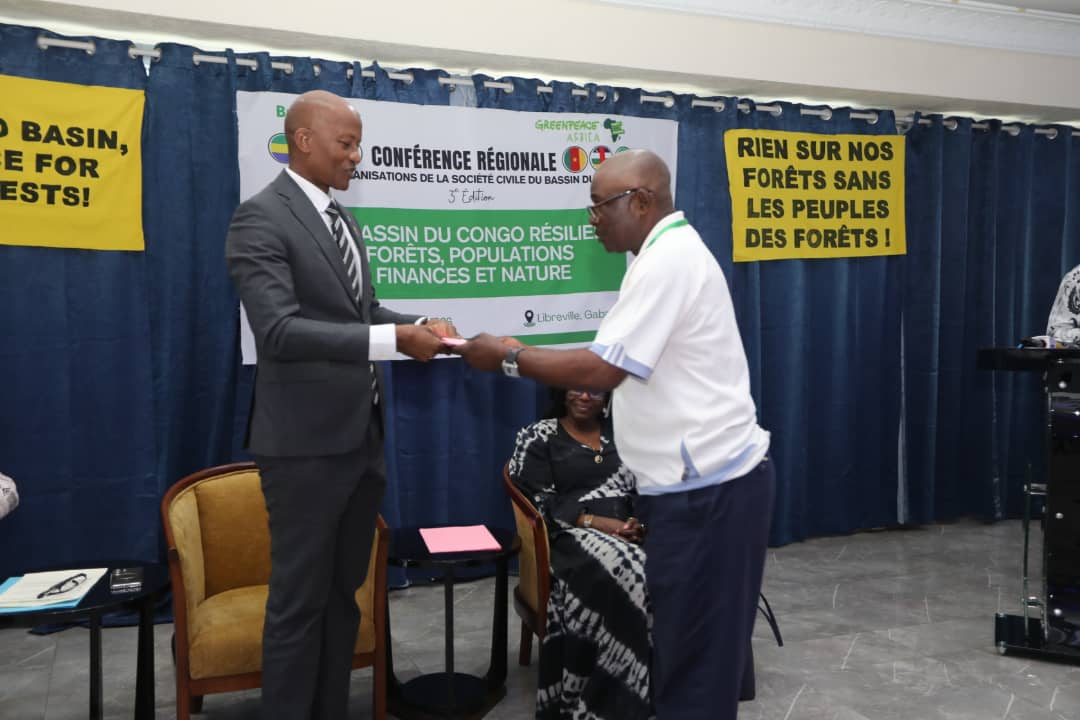
The 3rd Regional Conference of CSOs of the Congo Basin concluded this Thursday, October 29, 2026, in Libreville, after two days of discussions focused on forest governance, financing acquisition, and climate justice. Under the theme "A Resilient Congo Basin: forests, people, finances, and nature," this meeting brought together civil society organizations, representatives of indigenous peoples and local communities, experts, technical and financial partners, as well as institutional actors from several countries in the sub-region.
The proceedings, summarized by Stella TCHOUKEP, allowed for an assessment of the progress and persistent challenges in sustainable natural resource management. The discussions particularly highlighted the difficulties related to the enforcement of forest laws, the recognition of customary land rights, community participation in decision-making, and access to funding for conservation. Participants also emphasized the need to enhance transparency in the allocation of concessions and to effectively combat illegal exploitation of natural resources.
At the end of the discussions, participants adopted the Libreville Declaration, which sets common priorities to strengthen forest governance, guarantee the rights of forest peoples, preserve biodiversity, and improve access for organizations and local communities to climate funding. The document specifically calls on governments, regional institutions, and financial partners to translate their commitments into concrete measures, accompanied by responsibilities and monitoring mechanisms. It also encourages strengthening cooperation among CSOs in the Congo Basin to advocate for a coordinated regional approach.
Speaking at the closing ceremony, the representative of the Gabonese Government, the Minister of Water and Forests, in charge of Human-Wildlife conflict, praised the quality of contributions and reminded that: "the preservation of forests cannot be dissociated from the rights and well-being of the populations that depend on them." He highlighted four priorities: the recognition of the rights of local communities and indigenous peoples, conservation that reconciles nature protection and economic development, more direct access to funding, and the strengthening of transparency and participation in forest governance.
The Government acknowledged the recommendations made and reaffirmed the importance of enhanced regional cooperation. It also congratulated Greenpeace and Brainforest for their commitment to organizing this meeting, while thanking the partners and all participants.
The conference continued the momentum of previous editions held in Yaoundé in 2024 and Kinshasa in 2025, with the ambition of consolidating a regional dynamic in favor of a fairer and more sustainable management of forest resources. The recommendations made are intended to inform advocacy actions at the national, regional, and international levels, especially with the approach of COP31.
Beyond the commitments made, the main challenge now remains their effective implementation on the ground. Participants called for rigorous monitoring of the recommendations and increased mobilization of states, civil society organizations, communities, and financial partners. Through the Libreville Declaration, they reaffirm a common conviction: the resilience of the Congo Basin depends on the ability of actors to protect forests, guarantee the rights of populations, and provide the necessary resources to those who work daily to preserve this global natural heritage.